

The Ingul Tree: Sustaining Batak Toba Heritage
- The Ingul tree, integral to the Batak Toba community, is used for crafting traditional fishing boats “solu”, natural pesticides, and foundations for traditional houses.
- Declining fish populations and environmental issues around Lake Toba have reduced interest in fishing, shifted economic activities to fish farming and are threatening traditional boat-making practices.
- Modern construction materials and the designation of forests as state land are diminishing the economic value of Ingul wood.
- To address concerns about the disappearing Ingul tree, an Indigenous school in the Huta Lottung community was opened to preserve and pass on traditional knowledge and cultural practices.
Ingul Tree: A Cornerstone of Batak Toba Culture
The “Ingul” tree, also known as Suren (Toona sureni), is integral to the ethnic Batak Toba community’s life. This tree’s wood is used to make “solu”, traditional boats used for fishing on Lake Toba. The Ingul wood and leaves also serve as natural pesticides for the Toba people. The Karo people, another ethnic group, use Ingul wood to make furniture and musical instruments.
Ingul trees grow in many gardens around Lake Toba, often alongside candlenut, cocoa, and mango trees. They also provide shade for coffee plants and thrive at 600-1,200 metres above sea level, with an average temperature of 22 °C.
The Role of Ingul in Batak Toba Culture
Ingul wood is known for being strong and resistant to water and insects, making it perfect for crafting solu, the traditional fishing boats used on Lake Toba.
“I order this wood from Holbung Village, Somosir. The trees here are still too small to use for making solu.” explained Op. Adrian, Head of the Huta Lottung Indigenous Community in Muara, North Tapanuli, North Sumatra, at his home on Friday [05/04/2024].
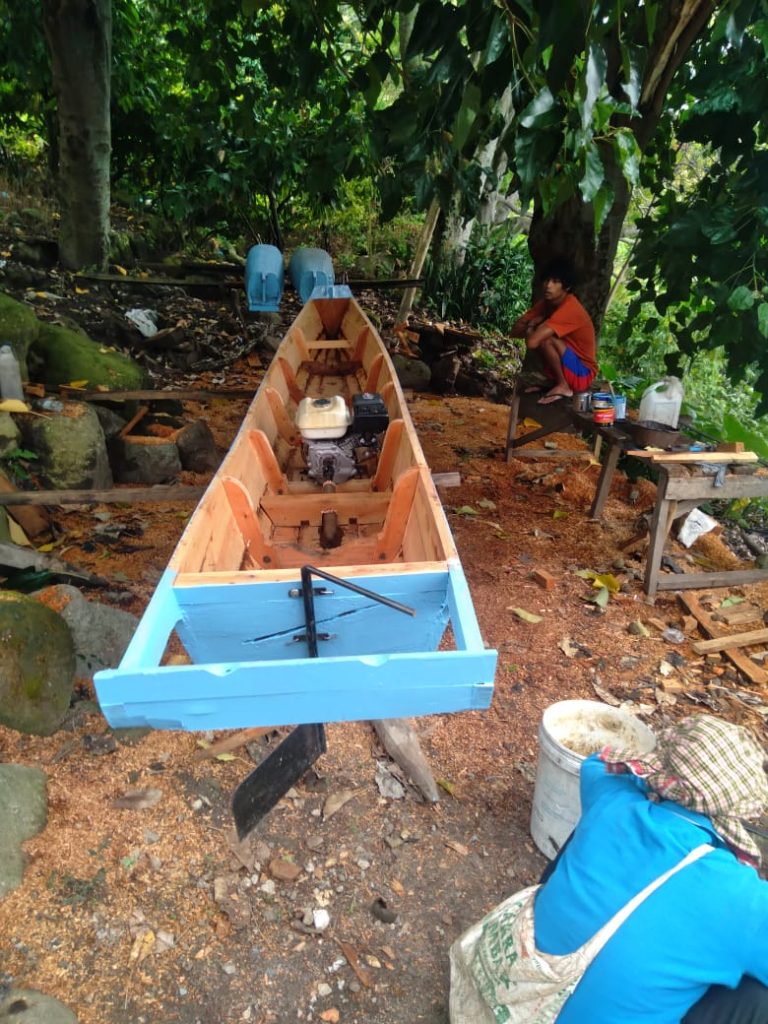
Making solu takes skill and artistry. Op. Adrian can earn between 1-1.5 million Indonesian rupiah(Rp) for making one solu, while Ingul wood costs around Rp4-6 million per cubic meter, with a diameter of 30-40 cm.
However, the declining fish population in Lake Toba, combined with pollution and the introduction of invasive predator species like the Flowerhorn fish, has diminished local interest in fishing
“It’s not about the pay; people are just not interested in fishing. They prefer fish farming,” he said.
Ecological and Cultural Significance of Ingul
Ingul belongs to the Meliaceae family. It is a fast-growing tree that requires minimal care, reaching heights of 30-50 meters with a diameter of about 1 meter. According to a report by Liberina Kristina Ibo and Septiani Dian Arimukti (BRIN, 2019), the Toba ethnic group use Ingul wood and leaves as natural pesticides
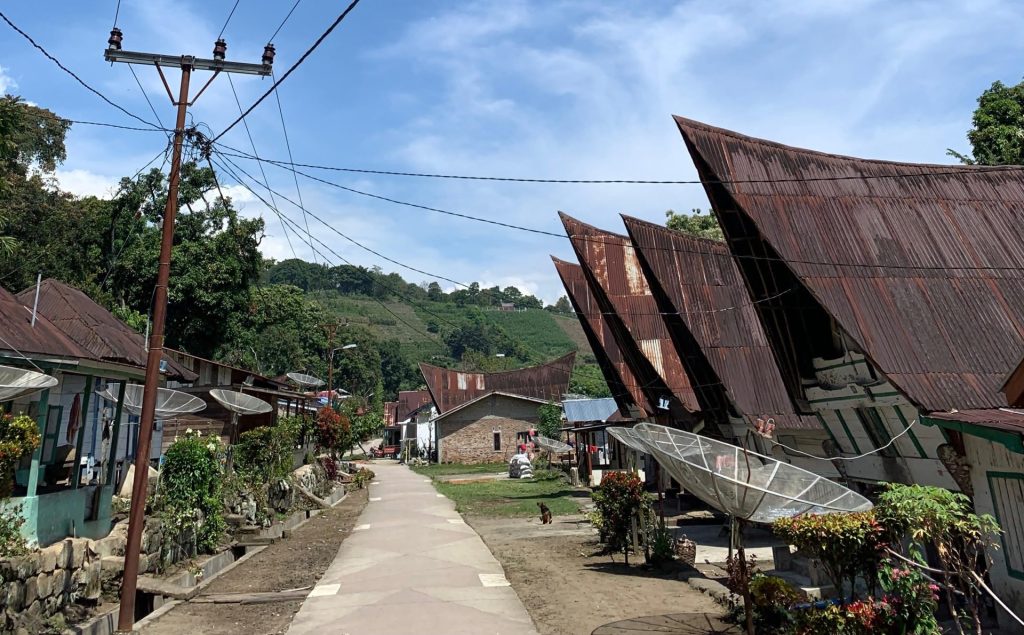
Ingul wood is also used as the foundation for traditional Batak Toba houses, known as Ruma Bolon. The Karo people also utilize the robust wood to make furniture and musical instruments.
The Future of Ingul Tree
Technological advancements in construction have reduced the demand for Ingul wood in boat building and traditional house construction, which now often use modern materials.
“Today’s houses are easier to build with cement and stone,” said Op. Adrian.
Edward Siregar, the Head of PD AMAN (Indigenous Peoples Alliance of the Archipelago) North Tapanuli, added that Ingul trees can still be found in Muara’s forests. However, they are losing economic value as these areas are being claimed as state forests.
“This raises concerns about the loss of community income and the fading of local wisdom regarding the use of Ingul wood,” he explained in early April 2024.
In response to these challenges, Edward established the Indigenous School in the Huta Lottung Indigenous Community.
“The goal is to ensure that local wisdom, especially solu making and other traditions around Lake Toba, is preserved and passed on to future generations,” he stated.
By Barita News Lumbanbatu and Charlotte Gresham